
Trump tariffs: Small businesses take on high-interest rate loans to cover new costs
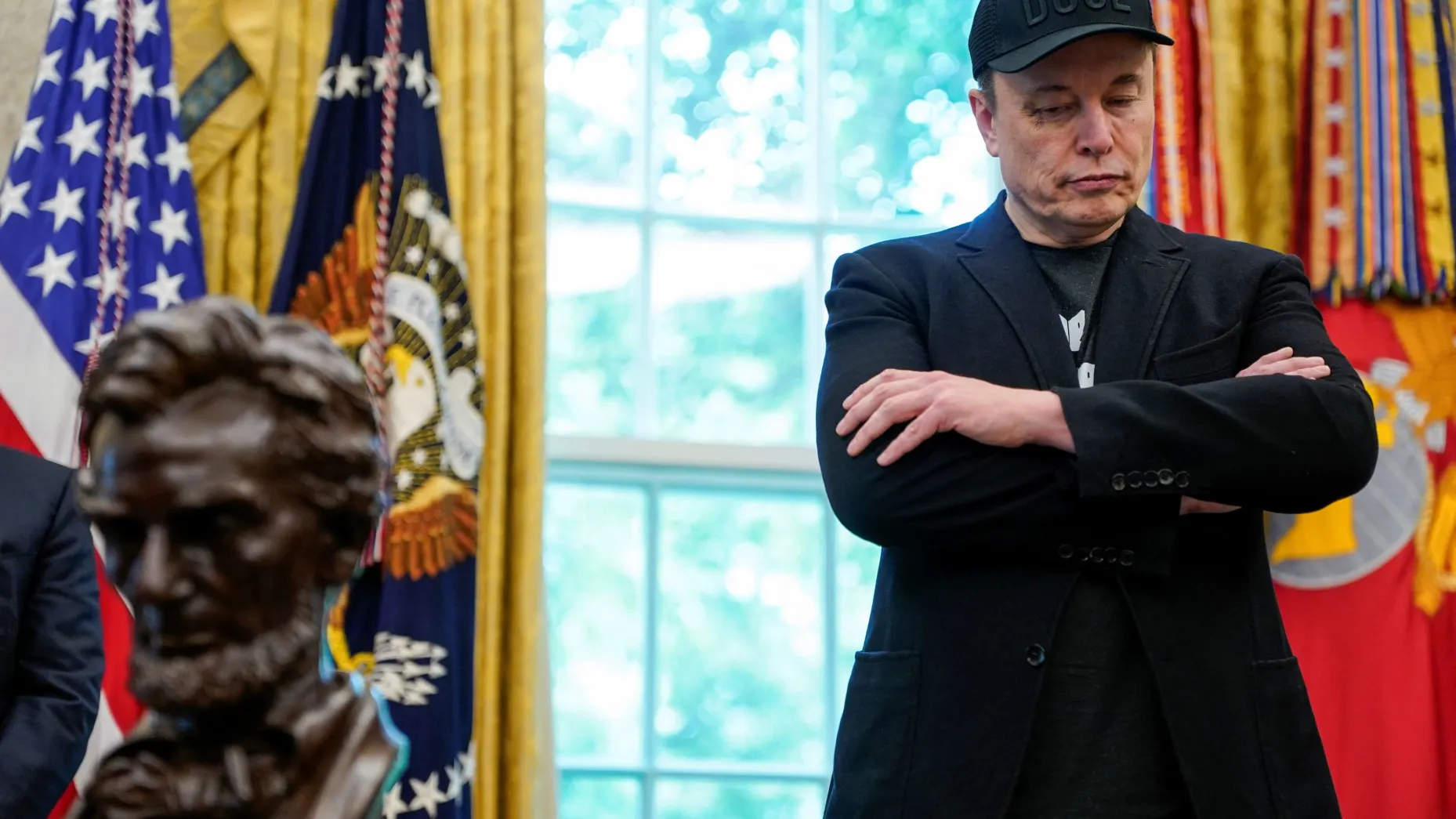
A protester with the Main Street Alliance holds a sign outside the U.S. Supreme Court, as its justices are set to hear oral arguments on President Donald Trump’s bid to preserve sweeping tariffs after lower courts ruled that Trump overstepped his authority, in Washington, Nov. 5, 2025.
Small business owners across the U.S. are resorting to high-interest predatory loans to cover steep new tariffs imposed by the Trump administration, with many fearing irreversible financial damage even if the levies are later ruled illegal. With U.S. Customs and Border Protection having collected over $200 billion in tariffs this year, the desperate financing measures reveal a deepening crisis for import-dependent firms.
"Mafia Rates" and Broken Dreams
Businesses report being offered merchant cash loans and revenue purchase agreements—unregulated financial products—with interest rates exceeding 30%. "They are very aggressive and deceptive in their practices," said Josh Esnard, CEO of The Cut Buddy, a shaving products company that appeared on Shark Tank. To cover $800,000 in tariffs, Esnard took out three loans totaling $950,000 at rates between 24% and 30%, plus $30,000 in origination fees.
"Even if the Supreme Court rules the tariffs are illegal and we get a refund, the money will not make us whole," Esnard stated. He estimates it will take five years to repay the debt, derailing what was projected to be his most profitable year.
For Joann Cartiglia, owner of the toy company Queen's Treasures, tariffs have shattered retirement plans. "I have absolutely no hope of retirement," said the 64-year-old, who now carries loans at what she calls "Mafia rates" over 20%. Her sales are down 33% due to inventory shortages exacerbated by tariff costs. "I honestly feel the government is putting me out of business. The tariffs are anti-American Dream."
From Profit to Survival Mode
The financial strain is forcing fundamental shifts in business operations. Jared Hendricks, co-owner of Village Lighting Co. in Utah, faces nearly $1 million in tariff bills. "We've kind of transitioned from working for profits to working for tariffs," he said. With half of his sales locked in under pre-tariff agreements, the company is selling at a loss and has been forced to discount inventory despite raising prices, creating a vicious cycle of declining revenue.
Even businesses that secured traditional bank loans are struggling. "Consumers cannot absorb those higher prices, and the burden shifts entirely to the importer," Hendricks explained. "This dynamic threatens the survival of businesses like ours."
A Lifeline with Limits
Some owners have found temporary relief. Esnard recently refinanced his predatory debt through The Business Consortium Fund, reducing his weekly $35,000 payments to a monthly sum. "This saved my business from shutting down," he said. However, the loan remains a significant burden, underscoring that rescue financing only mitigates—rather than solves—the core issue.
The Refund Illusion
Across interviews, business owners emphasized that a potential Supreme Court ruling against the tariffs would come too late. Refunds would not compensate for lost sales, damaged credit, years of debt service, or missed market opportunities. "We are 100% in the hole," Cartiglia said, noting that tariff payments drained capital needed for inventory and operations.
As these businesses navigate a landscape of predatory lending, eroded profits, and uncertain legal recourse, their experiences highlight a systemic vulnerability: policy shifts can force otherwise healthy small enterprises into unsustainable debt, with long-term consequences that outlast any eventual tariff reversal.
Recent
News



Newsletter
Subscribe to our mailing list to get the new updates!

Subscribe our newsletter to stay updated
Most
Reviews
Markets
- Sun, 25 Jan 2026
Why markets would 'react negatively' to Kevin Warsh as Fed chair
Business
Finance

- Mon, 19 Jan 2026
UK government considering social media ban for children
Business

- Sat, 17 Jan 2026
EXO Is Releasing New Music: All The Details
Markets